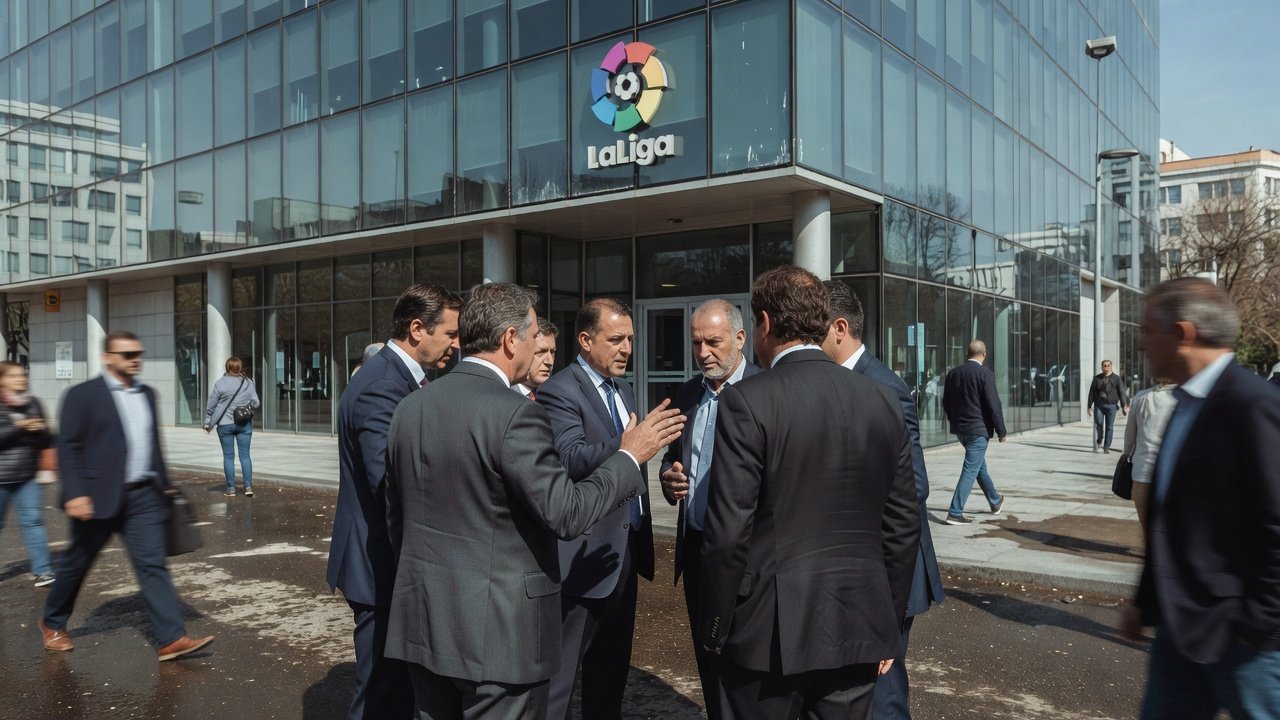
LaLiga announces new governance reforms to enhance transparency and efficiency
On August 11, 2026, LaLiga announced a comprehensive set of governance reforms aimed at enhancing transparency, ethical standards, and operational efficiency within the organization. These reforms are designed to strengthen financial oversight, promote ethical practices, and improve relationships with key stakeholders.
Key Components of the Governance Reforms
The newly introduced reforms encompass several critical areas:
- Financial Oversight: Implementing stricter financial controls to ensure sustainable economic growth among clubs.
- Ethics and Transparency: Promoting ethical practices within the association and the broader football community.
- Corporate Governance: Utilizing governance as a tool to achieve ethical behavior across the organization.
- Anti-Corruption Measures: Strengthening efforts to combat corruption and match-fixing.
- Stakeholder Relations: Enhancing relationships with public administrations, suppliers, and other key stakeholders.
Historical Context of LaLiga’s Governance Initiatives
LaLiga has a history of implementing governance measures to uphold integrity and transparency. In 2015, the organization adopted a Code of Ethics applicable to all professionals and bodies within LaLiga. This code was revised during the 2019/20 season to reflect legislative reforms and organizational changes. Additionally, LaLiga established an Ethics Channel to allow professionals to report any malpractice or irregular conduct confidentially.
Impact on Financial Control and Economic Growth
The reforms aim to create economic value under the paradigms of sustainable growth for the clubs. By implementing stricter financial controls, LaLiga seeks to ensure that clubs operate within their means, promoting long-term financial stability. This approach is expected to enhance the overall economic health of the league and its member clubs.
Enhancing Ethical Practices and Transparency
A significant focus of the reforms is on promoting ethical practices and transparency. LaLiga aims to foster a culture of integrity by encouraging ethical behavior both within the association and in the broader football community. This includes measures to combat corruption, match-fixing, and other unethical practices that could undermine the sport’s integrity.
Strengthening Stakeholder Relationships
The reforms also emphasize the importance of strong relationships with various stakeholders, including public administrations, suppliers, and other key partners. By enhancing these relationships, LaLiga aims to create a more collaborative and transparent environment, which is essential for the league’s continued growth and success.
Future Implications of the Reforms
The implementation of these governance reforms is expected to have far-reaching implications for LaLiga and its member clubs. By promoting financial stability, ethical practices, and strong stakeholder relationships, the league aims to enhance its reputation and ensure its long-term success. These measures are also likely to serve as a model for other football leagues seeking to improve their governance structures.
As LaLiga continues to implement these reforms, the organization remains committed to upholding the highest standards of transparency and efficiency, ensuring that the league remains a leader in the global football community.
This article is based on information from public sources available at the time of publication.

Leave a Reply