BRAZILIAN FOOTBALL
FIFA governance under scrutiny amid structural deficiencies
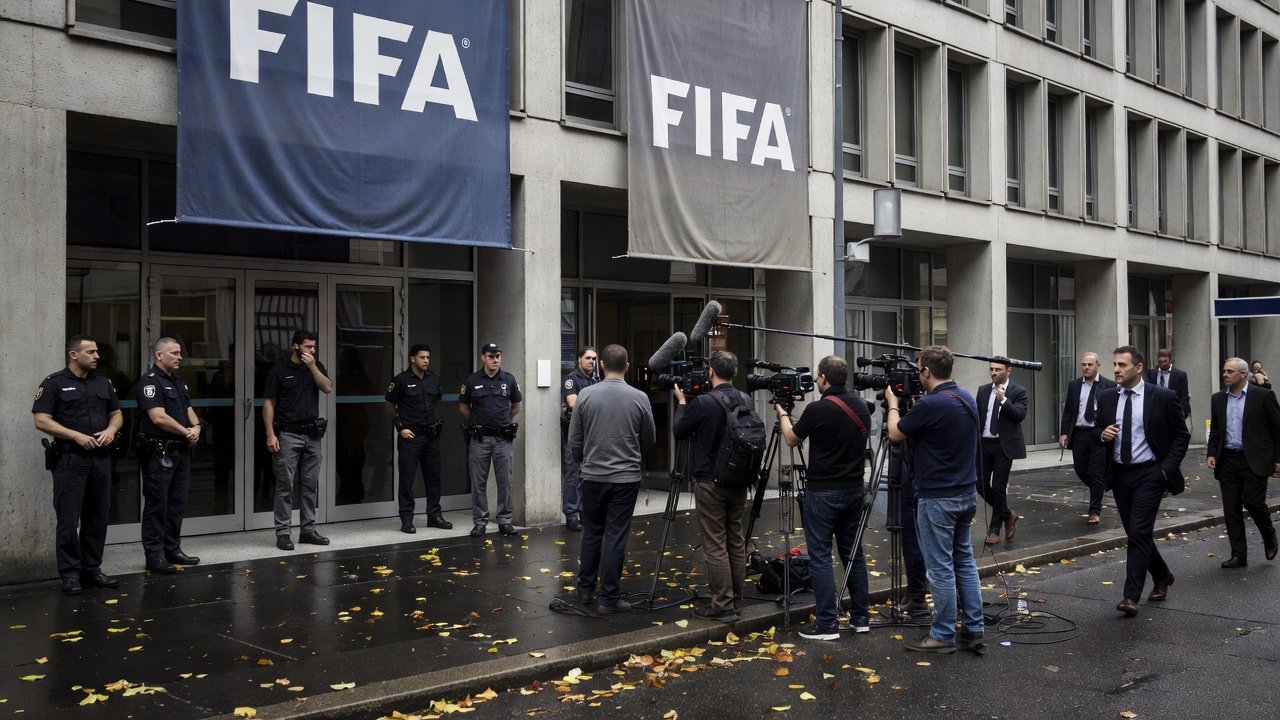
On August 11, 2026, FIFA’s governance faced renewed scrutiny as Mattias Grafström, the organization’s Secretary General and long-time aide to President Gianni Infantino, found himself at the center of controversy. Grafström, traditionally known for his professionalism and diplomacy, initially distanced himself from Infantino’s contentious plan to establish the FIFA Forward Enterprise (FFE), a commercial entity involving private investors. However, under apparent pressure, he later publicly aligned with Infantino, a move that disappointed FIFA staff and highlighted the challenges he faces in asserting independence from the president.
Grafström’s Shift in Stance Raises Internal Concerns
Mattias Grafström’s initial opposition to the FFE plan garnered internal support within FIFA, as many viewed his stance as a commitment to the organization’s integrity. However, his subsequent public alignment with President Infantino has raised questions about his autonomy and the internal dynamics of FIFA’s leadership. Staff members expressed disappointment, perceiving his reversal as a sign of the pervasive influence wielded by Infantino.Historical Context: FIFA’s Governance Challenges
FIFA’s governance has long been under scrutiny due to structural deficiencies and controversies. The organization’s dual role as both regulator and commercial entity has led to conflicts of interest, with decisions often prioritizing revenue over the sport’s integrity. Past scandals, such as the awarding of World Cup hosting rights to Russia in 2018 and Qatar in 2022, have intensified calls for reform. Critics argue that these decisions lacked transparency and were influenced by improper incentives.Infantino’s Leadership and Centralization of Power
Since his election in 2016, President Gianni Infantino has been accused of consolidating power within FIFA. Despite reforms intended to democratize the organization, Infantino has expanded his prerogatives, introducing amendments to FIFA’s statutes that further centralize authority. This centralization has raised concerns about the effectiveness of internal checks and balances and the independence of oversight bodies.Calls for Structural Reform Intensify
The recent developments involving Grafström have intensified calls for comprehensive structural reform within FIFA. Observers argue that merely replacing individuals in leadership positions is insufficient and that deep, systemic changes are necessary to address the organization’s governance flaws. Proposed reforms include separating FIFA’s regulatory and commercial functions, democratizing decision-making processes to include a broader range of stakeholders, and establishing genuinely independent oversight bodies.Implications for Brazilian Football
The governance issues within FIFA have significant implications for Brazilian football. As a major footballing nation, Brazil’s football federation relies on FIFA’s support and funding. Structural deficiencies and controversies at the global level can affect the development programs, international collaborations, and overall reputation of Brazilian football. Ensuring transparent and accountable governance within FIFA is crucial for the growth and integrity of the sport in Brazil.Future Outlook and the Need for External Oversight
Given the entrenched power dynamics within FIFA, many experts believe that internal reforms may be insufficient. There is a growing consensus that external oversight, possibly from political authorities or independent bodies, is necessary to enforce transparency, democracy, and accountability in international football governance. Without such intervention, the risk of recurring scandals and governance failures remains high. As FIFA approaches its next presidential election in 2027, the organization’s governance practices will likely remain under intense scrutiny. The recent controversy involving Mattias Grafström underscores the challenges FIFA faces in implementing meaningful reforms and restoring trust among its stakeholders.This article is based on information from public sources available at the time of publication.
Recevez les infos du jour sur WhatsApp
Rejoindre le groupe

Leave a Reply